
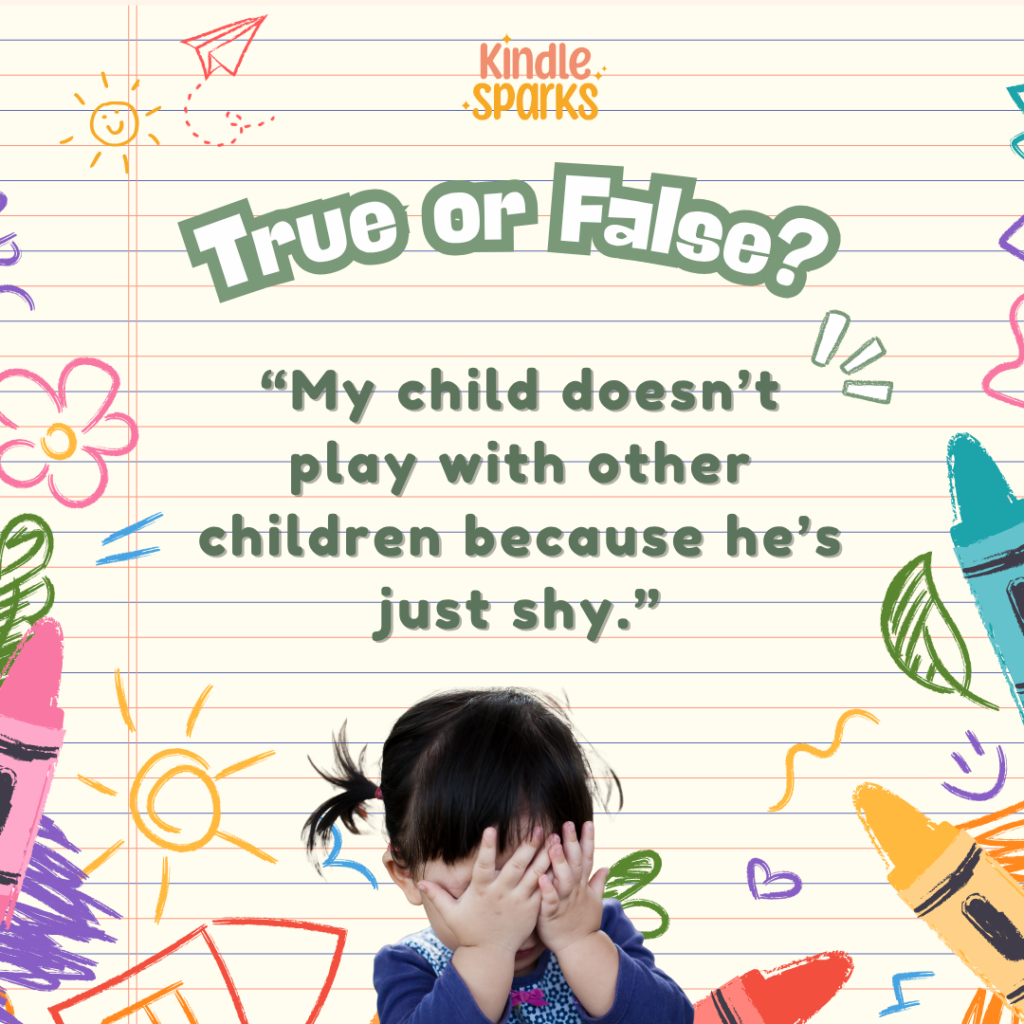
True or False #20
What is “play age”? It’s the stage of play a child is ready for based on their social, emotional, and
What is “play age”? It’s the stage of play a child is ready for based on their social, emotional, and
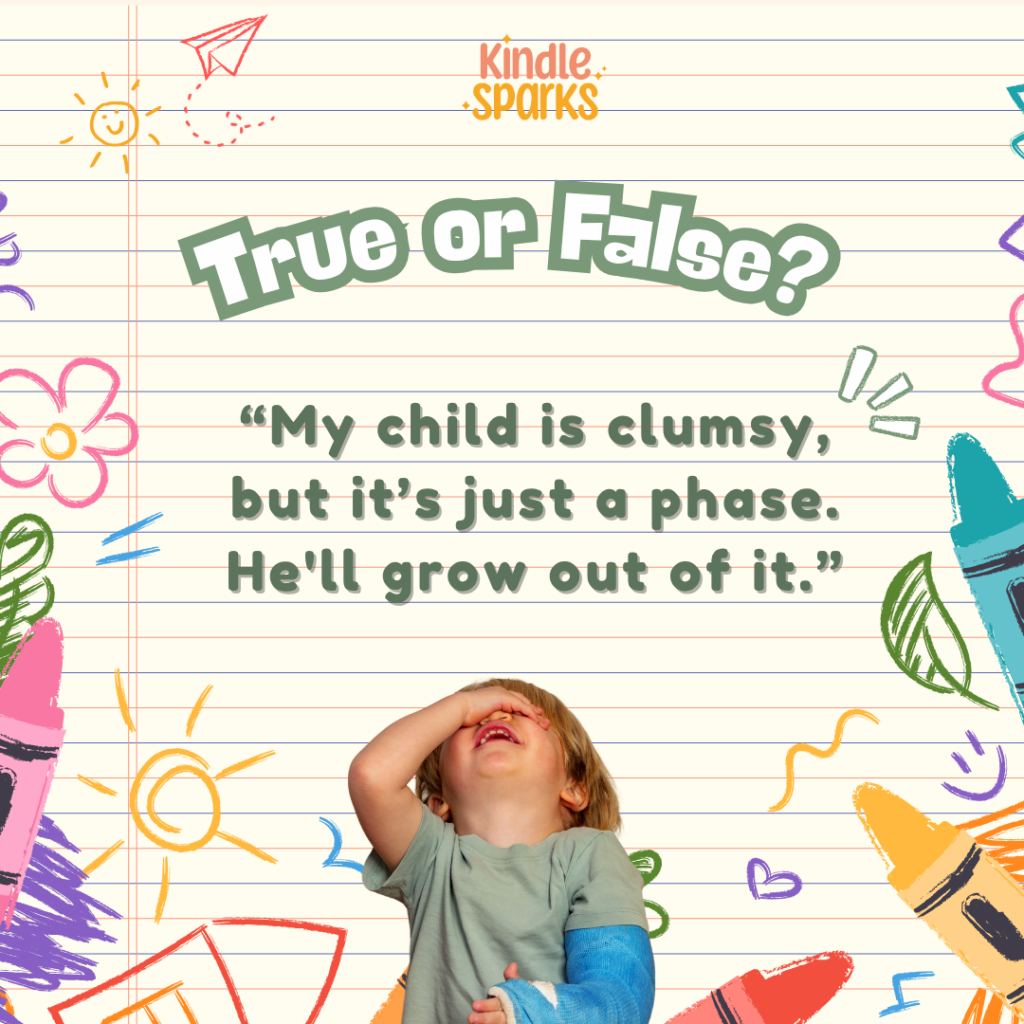
Clumsiness in Kids: When It’s More Than Just a Phase It’s normal for kids to trip and tumble — they’re
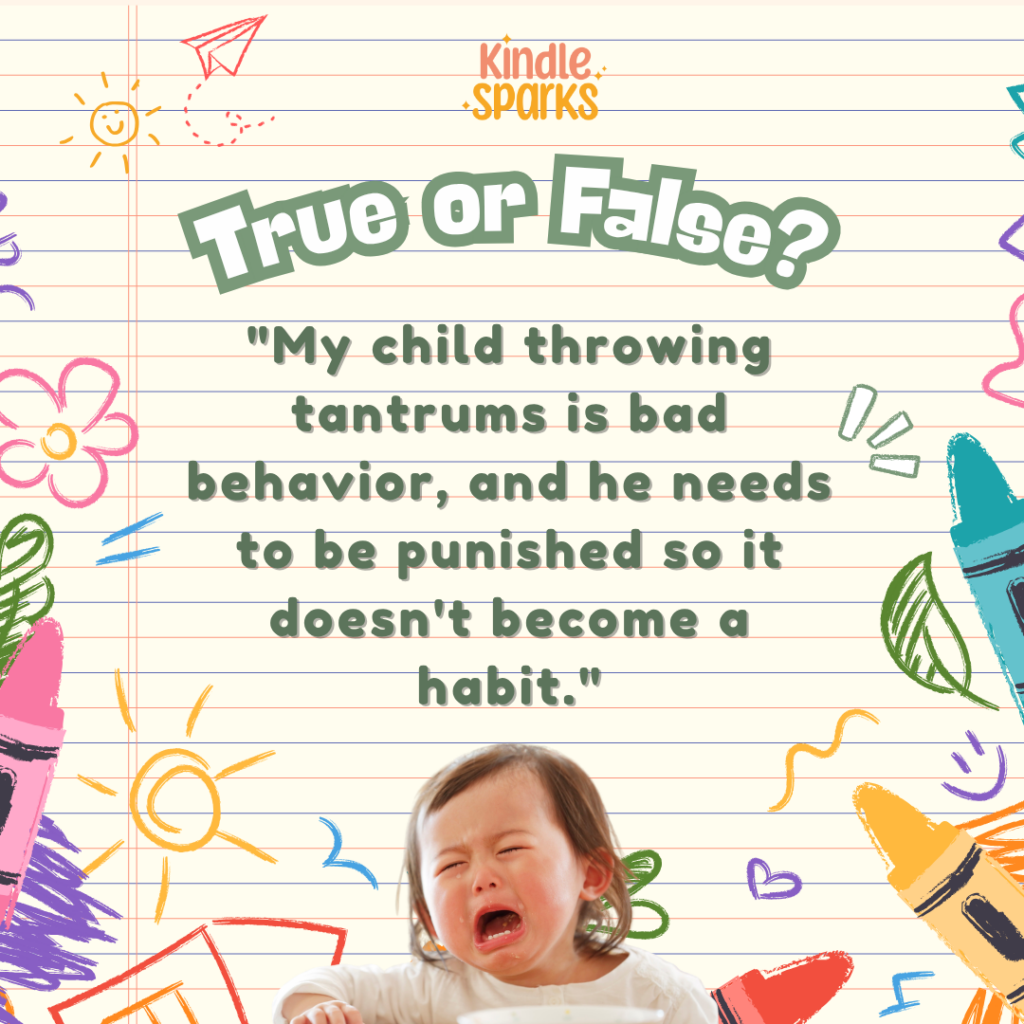
Tantrums ≠ Bad Behavior — They’re Big Feelings in a Small Body When your child throws a tantrum, they’re not
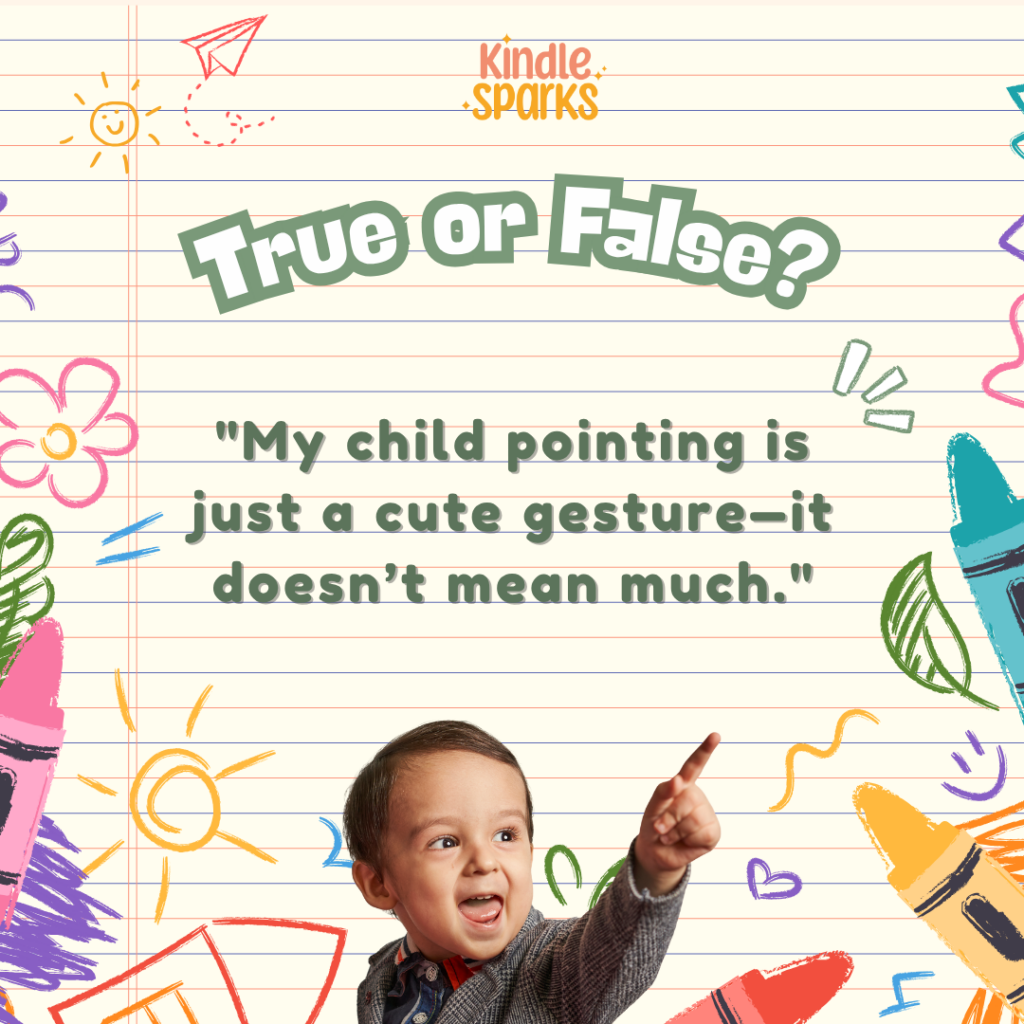
Little Finger, Big Milestone! Pointing isn’t just cute — it’s critical for development! When a child points, they’re saying: –
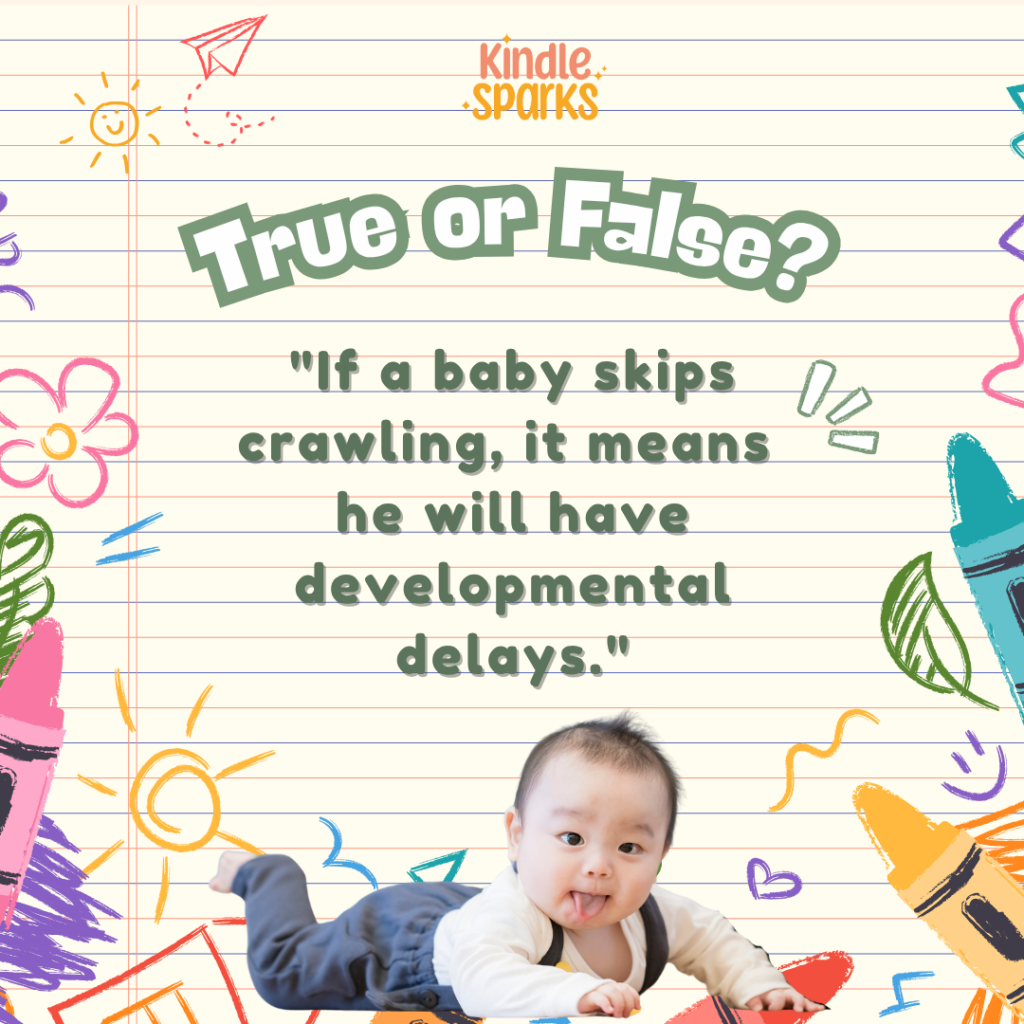
The Power of Crawling 🐾 Encouraging crawling is beneficial because it helps build: – Brain-body connection – Cross-body coordination
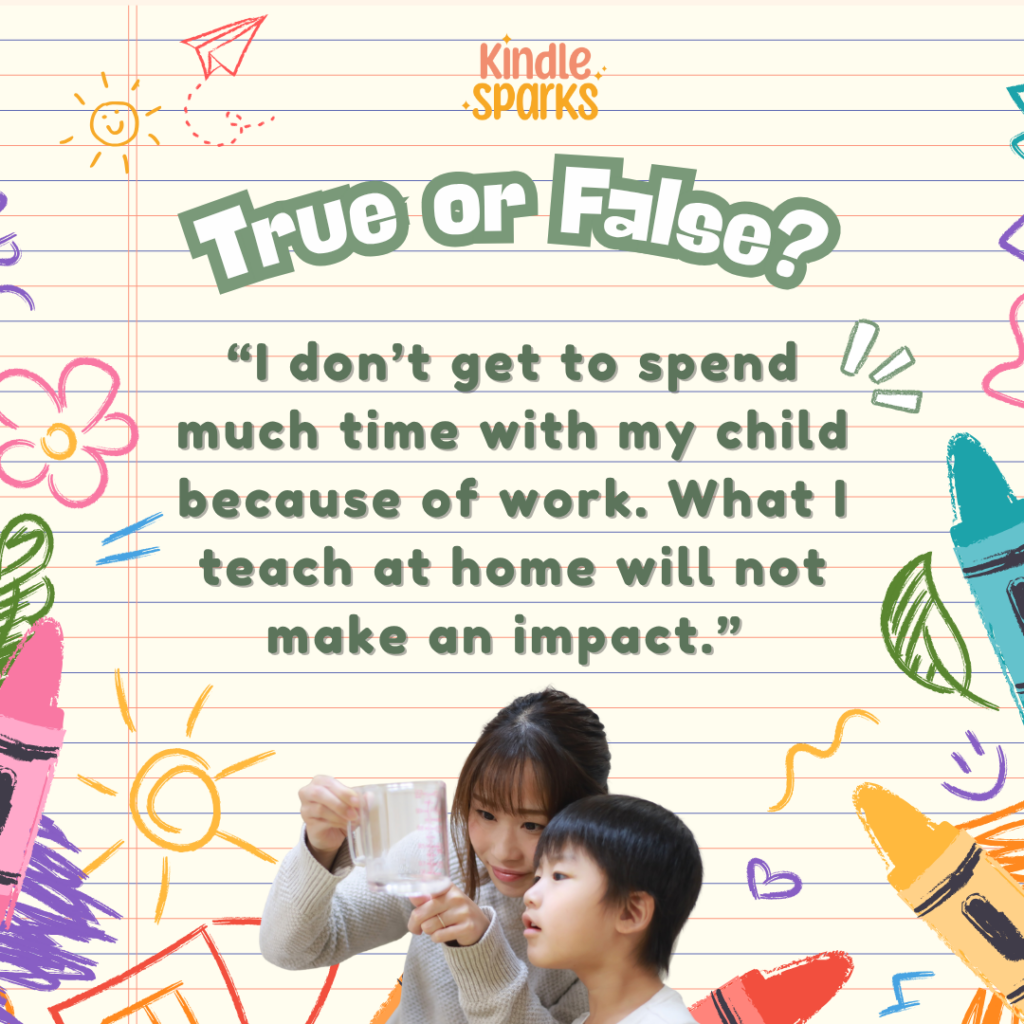
It’s easy to fall into the trap of thinking that we won’t make a dent in our child’s learning and
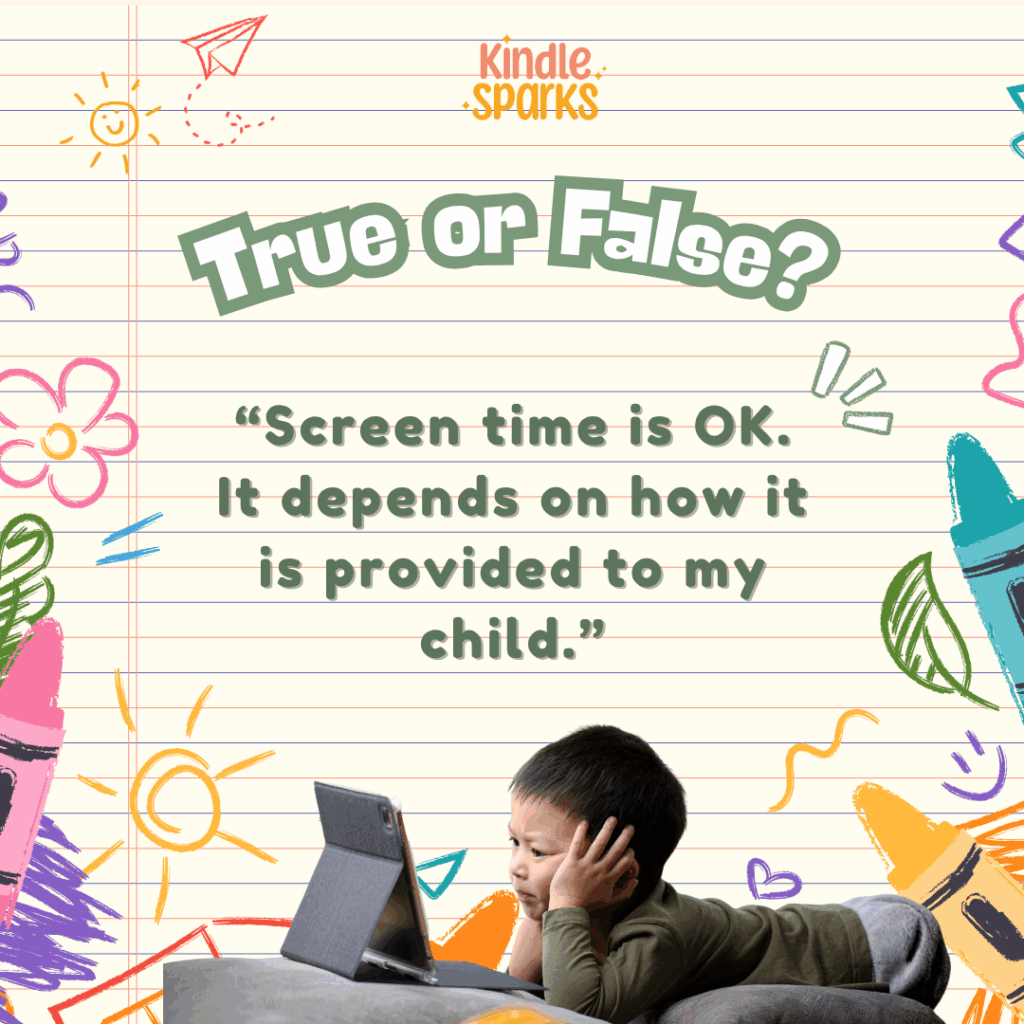
Let’s talk more about co-viewing. For children between 1.5 to 2 years old, screen time is not recommended except when
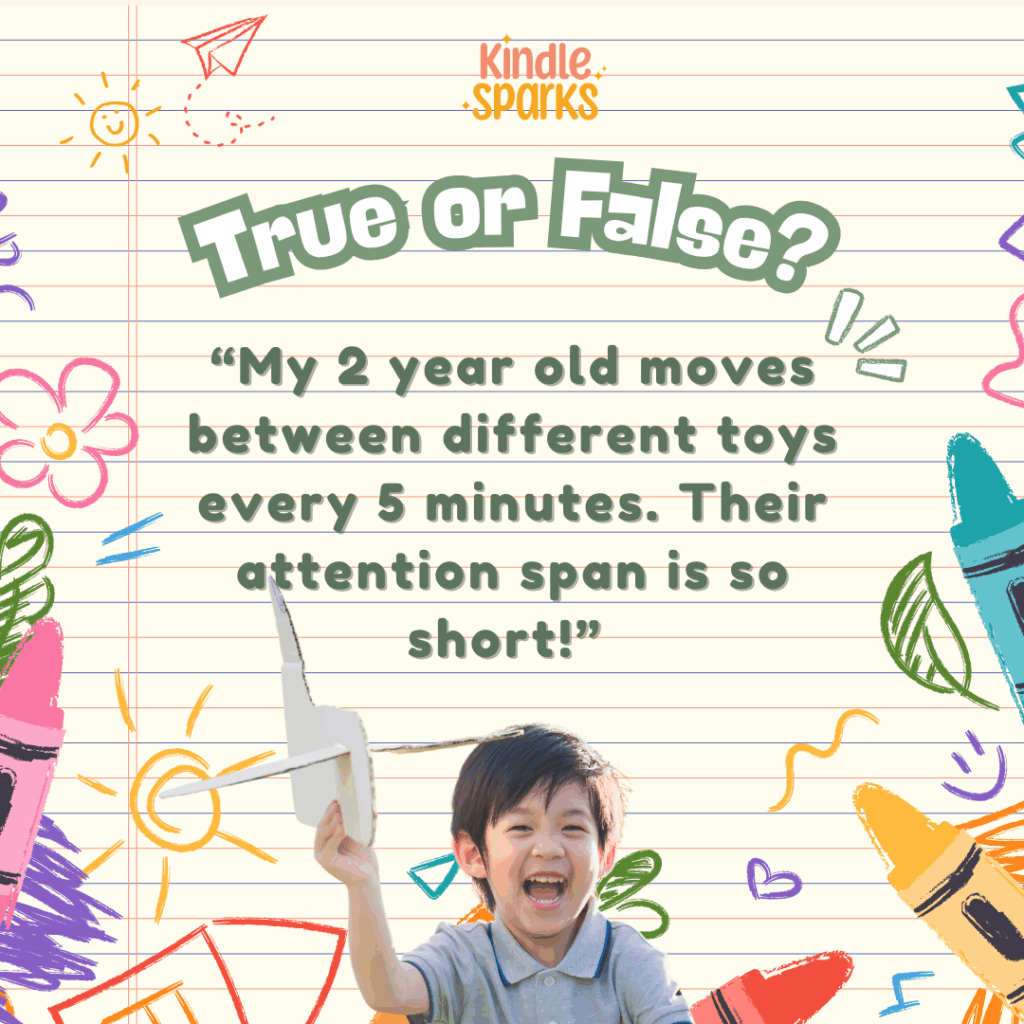
Your child’s attention span should be about 2 to 3 minutes for every year of age. Attention spans by age:–

Children are still developing their cognitive, social & play skills. Left on their own to play with a toy, they

It’s totally understandable that we want to buy toys for our little ones… especially when we are flooded with messages

Some common risk factors that make a child prone to language delay/disorder: (1) hearing loss or frequent ear infections –

The research has shown very clearly that bilingualism does not cause or worsen language delays or disorders. Language delays or

Some parents believe in (or have been recommended) a “one parent-one language” approach to help their children learn multiple languages.

Talking makes so many simultaneous demands. Among other things, we have to think about what we want to express, choose

Using gestures (such as pointing or pretending to do actions) can help others understand what we are saying. If a

A majority of late talkers do make improvements in their language skills and can obtain average language scores by school-going

Baby talk (better known as “child-directed speech” or “Parentese”) is the natural way many people speak with babies or toddlers

When children are young, they may not always use words in the way that adults expect them to. For example,

Knowing the difference between milestones and averages is super important when tracking a child’s development. If we think that milestones

This is a pretty controversial belief. Girls do start speaking sooner than boys but they only get a few months’

Language learning opportunities are everywhere! Our lives are busy, but we don’t need to wait till playtime to “teach” language.

Language learning opportunities are everywhere! Our lives are busy, but we don’t need to wait till playtime to “teach” language.

Language learning opportunities are everywhere! Our lives are busy, but we don’t need to wait till playtime to “teach” language.

Language learning opportunities are everywhere! Our lives are busy, but we don’t need to wait till playtime to “teach” language.

Language learning opportunities are everywhere! Our lives are busy, but we don’t need to wait till playtime to “teach” language.

Language learning opportunities are everywhere! Our lives are busy, but we don’t need to wait till playtime to “teach” language.

Language learning opportunities are everywhere! Our lives are busy, but we don’t need to wait till playtime to “teach” language.

Language learning opportunities are everywhere! Our lives are busy, but we don’t need to wait till playtime to “teach” language.

Language learning opportunities are everywhere! Our lives are busy, but we don’t need to wait till playtime to “teach” language.

Language learning opportunities are everywhere! Our lives are busy, but we don’t need to wait till playtime to “teach” language.